
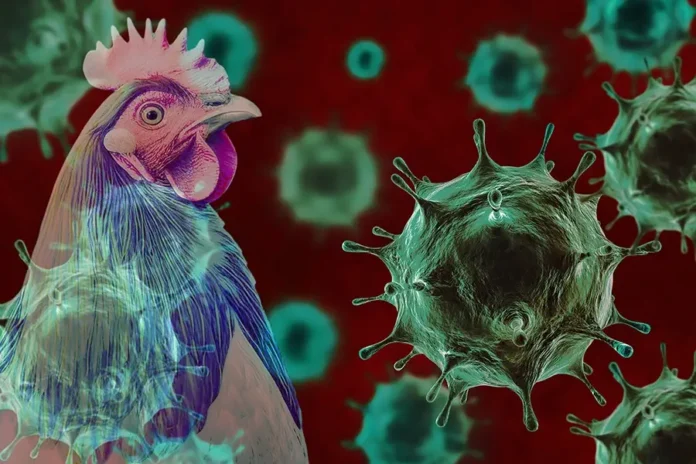
After a quiet spell through the summer months, avian influenza—commonly known as bird flu—is reemerging with renewed force across multiple regions. What seemed like a temporary reprieve was only a lull, not a resolution. The virus is now being detected again in poultry farms, wild birds, and even dairy herds, raising alarms among public health officials, farmers, and consumers worldwide.
In this article, we trace the reasons behind bird flu’s return, examine current outbreaks, explore the risks, and look at how authorities and producers are preparing to respond. The goal: cut through the headlines and deliver a clear, nuanced view of where we are—and where we may be heading.
The Summer Pause — Not a Full Stop
Over the warmer months, many regions saw a relative drop in new bird flu cases. That drop led to optimism that the virus might be waning for the season. But pathogen dynamics are rarely simple. Seasonal shifts in migratory bird patterns, environmental conditions, and agricultural practices often influence the ebb and flow of viral outbreaks.
Rather than disappearing, the virus was likely persisting at low levels—smoldering in wild bird reservoirs or as low-grade poultry infections. Now, as conditions shift, those hidden infections are expanding again into detectable outbreaks.
Fresh Outbreaks: Where Bird Flu Is Showing Up
U.S. Midwest & Commercial Poultry
States in the American Midwest are once again reporting cases of H5N1 in poultry flocks. Iowa, Minnesota, and Wisconsin have each confirmed recent infections in commercial farms.
In Wisconsin, a Jefferson County poultry operation owned by Daybreak Foods is culling over 500,000 birds following a confirmed infection.
In Iowa specifically, a turkey flock in Calhoun County has tested positive for H5N1, reigniting concerns for poultry producers in that state.
These infections are not limited to small backyard flocks—they are hitting industrial scale operations, which makes the implications more serious for supply chains and biosecurity.
Spread via Wild Birds
Parallel to farm outbreaks, surveillance detects increasing prevalence in migratory and wild birds. The U.S. Department of Agriculture (USDA) reports multiple detections of H5N1 in both wild and commercial bird populations, indicating the seasonal avian influenza cycle is fully reactivated. cidrap.umn.edu
Wild birds often serve as carriers (sometimes asymptomatically) and can shed the virus via droppings or secretions, contaminating water sources, feed, or environments used by domestic flocks.
Beyond Poultry: Dairy Cattle & Cross-Species Risk
In recent years, the virus has crossed traditional species boundaries. Reports show that H5 bird flu has now appeared in dairy cattle herds in the U.S., creating new pathways for spread and raising questions about transmission dynamics.
Although human risk remains low based on current evidence, these spillovers complicate control models and heighten vigilance among animal health authorities.
Why It’s Resurfacing Now
Several intertwined factors seem to be fueling the bird flu resurgence:
1. Seasonal Migration & Return of Wild Hosts
As migratory birds return from breeding grounds, they carry with them viruses acquired from other regions and mix with local populations. These migratory patterns often align with the renewed spread of avian influenza.
2. Environmental & Weather Shifts
Cooler, wetter conditions, lingering water bodies, or local microclimates can favor viral persistence in the environment. Viral particles can survive in water, muck, or organic matter, so as seasons transition, conditions may favor “awakening” of dormant viral reservoirs.
3. Biosecurity Gaps & Farm Practices
When outbreaks are low, some farms relax strict biosecurity (footbaths, visitor controls, controlled access). That relaxing gives the virus more opportunities to jump in. Some smaller or resource-constrained operations may struggle to maintain rigorous defense all year round.
4. Viral Evolution & Genetic Shifts
The H5N1 strain driving recent outbreaks belongs to a global lineage that has shown capacity for adaptation and reassortment.
Mutations like PB2 E627K in the viral polymerase have been observed in related outbreak strains, giving the virus more potential to replicate in mammals (though that does not necessarily mean efficient human transmission).
Such genetic changes may help the virus persist under less favorable conditions, giving it a head start when seasonal triggers return.
Risks & Impacts
Animal Health & Agriculture
- Mass culling: Farms affected must cull infected flocks to contain spread, causing economic losses, disruption in supply lines, and compensation challenges.
- Production disruption: Egg and poultry meat output may decline locally, pushing prices upward and stressing distribution.
- Trade and export impact: Countries with active outbreaks may face export restrictions or quarantines from trading partners.
Public Health
- Zoonotic risk: While human infections remain rare, those in direct contact with infected animals (farm workers, veterinarians) are at higher risk. The CDC monitors closely.
- Food product concerns: Research shows that live H5N1 virus can survive for long periods in raw-milk cheeses, potentially up to several months, depending on pH and processing.
Though standard pasteurization and mature food processing reduce risk, these findings highlight vulnerabilities, especially in unregulated or small-scale dairy or cheese production.
Environmental & Ecological
Cross-species spillover: As we’ve seen with dairy cattle, the risk of the virus infecting non-avian species opens complexity in tracking, surveillance, and control.
Wild bird mortality: Larger die-offs among wild species can disrupt ecological balances, affect predator/prey dynamics, and harm conservation efforts.
Response & Prevention Measures
Surveillance & Early Detection
Authorities in many countries are scaling up surveillance in poultry, wild birds, and migratory pathways. Monitoring for sudden increases in bird mortality is a key tool. Wild bird testing stations and sentinel flocks help flag emerging hotspots.
Biosecurity Reinforcement
Farms are reimplementing or reinforcing stricter biosecurity:
- Gate controls, visitor logs
- Disinfection stations
- Controlled movement of equipment & feed
- Separation of flocks and buffer zones from wild bird habitats
Culling, Quarantines, and Movement Controls
Infected facilities are subject to mandated culls, disposal of carcasses, and cleaning/disinfection protocols. Surrounding areas may be placed under surveillance zones or movement restrictions to prevent lateral spread.
Public Alerts & Worker Protection
Agricultural workers are advised to use protective clothing (gloves, masks, eye protection) when handling birds. Reporting of sick or dead wild birds is encouraged, and educational campaigns about handling poultry safely are recurring messages.
Vaccine & Research Efforts
Vaccines exist for H5N1 strains (for poultry or in limited human use) and are under continuous update.
Ongoing research seeks better vaccines, rapid diagnostics, and risk models for spillover events. Some institutions are also studying the role of wild birds in global spread to improve forecasting.
Digital Monitoring & Early Warnings
Scientists are exploring novel methods like analyzing Google Trends and social media signals to detect early signs of outbreaks ahead of formal reporting.
Such “digital epidemiology” may provide faster alerts for response teams to mobilize resources.
What to Watch Moving Forward
- New cases and geographic spread
Will we see the virus expand beyond traditional hotspots? The next few weeks are critical. - Mutation tracking
Genetic sequencing to spot emergent mutations—especially those hinting at increased mammal adaptation—is vital. - Impact on food and dairy industries
Cheese, milk, poultry pricing, and supply chain stability may reflect new constraints or risk. - Human infection reports
Any unusual human cases associated with animal exposures should be carefully evaluated for signs of adaptation. - Policy and trade responses
Export bans, import restrictions, and government subsidies or compensation packages may shift in key markets.
Conclusion
The recent revival of bird flu is a stark reminder that no virus ever fully disappears—it simply waits for the right conditions. What looked like a summer cooldown was arguably just a lull before reemergence. With fresh outbreaks in poultry, wild birds, and even dairy herds, the disease is asserting itself again—demanding vigilance, rapid detection, and aggressive prevention.
For farmers, authorities, and consumers alike, the message is clear: don’t get complacent. Strengthened surveillance, strict biosecurity, and responsible handling remain essential tools. The path forward is not easy—but with coordinated action, smarter forecasting, and scientific advances, it’s still possible to blunt the next surge before it becomes catastrophic.
Let me know if you’d like a version fine-tuned for your audience, with subheads optimized for SEO, or with suggestions for ad placement and keywords.